Let’s talk about your favorite emcee’s favorite emcee
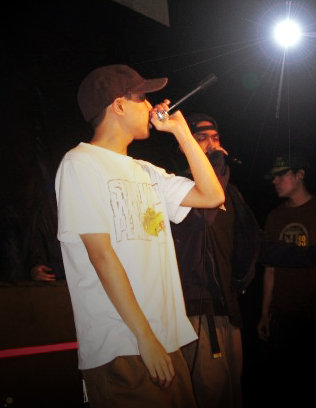
If you were an underground Philippine hip-hop fan from the early 2010s, Protege was a name synonymous with “god emcee”. He had an impeccable blend of lyricism, rhyme schemes, storytelling and rap ability that, when paired with his perfect English accent, was hard to find in the scene. Musically, his body of work with Audible MCs, Talksic Ways, and A.M.P.O.N. cemented his spot among hip-hop legends; if someone asked you how good the English emcees in PH were, just play them any Protege verse on YouTube.
In battle rap, he was a menace in the freestyle era, and the unofficial final boss of the FlipTop English Conference: his battle against Fuego, and his same-day bodybag victories over Sin City (who was on a hot winning streak and constantly calling him out) and Malaysia’s Tactmatic being part of the conference’s best moments. As FlipTop’s massive views and success caught the eyes of the world, Protege and Anygma would be called upon to represent us in the international battle stage, and their classic performances abroad would earn PH the world’s respect.
Nowadays, English hip-hop has retreated even further underground, with very few representatives still striving to create something original, substantial, and truly expressive. The English battle rap scene is practically non-existent, with its former champions either migrating to Filipino battles, or moving on to other life ventures. In this dying subgenre, Protege’s accomplishments are but fond memories from glory days cut short; you could even say that it was the unceremonious way English hip-hop died out that deified Jon in the eyes of his fans. To us, he was simply too good for what the culture deserved; the GOAT of a dead sport; an eternal “what if” as we dreamt of an alternate timeline where English hip-hop got the support it needed. And the biggest “what if” we had was… “what if we ever got that Protege solo album?”
What’s the big deal about this album anyway?
Said album had been in the works since as far back as 2010. There was much anticipation for its release in 2011, but it had been postponed repeatedly for many years. Eventually, fans would move on, and a lot of us young ones he inspired would even try our own hand in making music. Every few years, we would hear word that Protege’s album was finally about to finish, and we’d get a preview of these amazing tracks that he performed on gigs… only to hear later on that he wasn’t satisfied with the finished product, so he was scrapping the whole thing and going back to the drawing board. Even with backing from labels like Uprising and skilled collaborators like Six the Northstar, it still never pushed to completion. Throughout the years, I feel like I’ve heard about 2-3 different versions of the album. Each time he previewed the album on a gig, he brought in a completely different sound from the previous version, but he would always include on his set lists the song “That World“, where he talked about his conscious effort to walk away from the battle stage despite the fire in his gut and the clamor of his fans to return.
The years of teasing with no climax was frustrating because I couldn’t comprehend the reasoning behind it. The stuff that I heard from him was practically “Illmatic” compared to what we were doing at the time; how was he still not happy with it? Whatever technical flaw your music had simply added to its unique human charm, right? And you could always just do better on the next one. Even I was able to will myself to release “Ordinary Lives” despite how self-critical I was about its quality; how perfect did Jon’s album have to be for him to be satisfied? I learned from the best minds in the game to value your artistic journey; to consider each release as a marker of where you were at skill-wise and spiritually at that moment in time; that there’s beauty in watching an artist grow over time. So seeing Jon refuse to let the world see his journey ran counter to what I believed in. It was a shame because I thought more hip-hop fans should be hearing Jon; they were missing out on the greatest emcee they’d never heard!
In my head, I would eventually turn Protege into a lesson on how you should never let your demons or perfectionism prevent you from sharing your gift to the world. I had referenced him whenever friends on the scene were on the brink of giving up their projects due to self-consciousness, and when they successfully powered through those feelings. My idolatry had caused me to think like a consumer and harbor disappointment towards another man when I had no idea what he was going through in life. Let this post serve as my apology to Jon because on October 30, 2024, he finally released his solo album after 14 years… and goddamn, I get it now.

Immediate reaction to the surprise release
Protege (Johann Uriarte), now known as Jon Protege, would drop his debut solo album, “Favorite Life“, completely by surprise just before All Souls Day. I give it a spin, and it sounds completely different from the Protege I was used to; this version of Jon sounded a lot more vulnerable, wise, open. It’s the same fluid rap flows he uses to glide through beats; the same tight-knit yet seamless rhyme schemes; and the same poetic writing. It’s everything I remember and love about Protege, but the cocky swagger had been replaced with a more tempered conviction: at times resolute in his beliefs, at times somber and self-questioning, at times intimate and melodious. The aggressiveness in the lyrics was gone, now more focused on telling the story behind the man. Musically (all production done by himself), the album sounds polished, calming and upbeat, drawing upon R&B, soul, jazz, funk, and gospel rap. I could feel some inspiration from Mac Miller and Daft Punk sprinkled throughout, and that’s also a departure from the classic Protege grimy underground hip-hop sounds.
Obviously, 14 years is a long time for a man to grow and change, but having it suddenly dropped on your head can still lead to some whiplash. I decided to give it one full playthrough to let it grow on me, and by the halfway point, I understood what actually went into this album. This entire time, we all thought Jon was trying to reach an impossible ideal of technical perfection; a level of artistry that had never been attained before in PH hip-hop. What really needed to happen was for Jon to accept who he was as an artist and be comfortable sharing that with the world… but we didn’t know that that was exactly what Jon was trying to do, and to accomplish that, he had to deconstruct everything we know and love about him.
The truth was, the slick lyricist and rap god we idolized was a character that Jon secretly hated, and the pressure to keep that façade was killing his soul. He had to break the whole walls down, even if meant turning away the fans that loved its exterior, so that he could finally show us all the real Jon: just as lost as you and I; trying to find the happiness, strength, and will to live in this world through love and faith.
Now I look back at all those years, and I see that the writing was on the wall the whole time: Jon taking down most of his solo tracks from social media, the dissatisfaction with perfectly releasable dope music, and the very song “That World“, which ironically, wasn’t even on this album. But he probably doesn’t need to associate with it anymore, he’s finally achieved a state where he’s embraced his love for hip-hop, but now free from pride, ego, and external pressure; free to truly be himself.
Album breakdown
The 10-track album takes us through Jon’s emotional journey as he reflects on certain chapters of his life and how they shaped who he is today. The stories in each track feel like they’re arranged in chronological order, but the reflections feel up-to-date, like it was Jon’s reminder to self that healing, bettering, and believing in yourself is a constant process.
The stories tackled should be familiar and relatable to people from all walks of life:
- “My Way Up” is about pursuing a passion that you believe in, even when your own loved ones disapprove and don’t support you; never second-guessing the path you’re in and using all the pain, mistakes, and external obstacles to become wiser and ultimately succeed.
- “Heal” is about trying to find strength and inner peace through faith in God, doing it wholeheartedly despite the possible futility of it, and the responsibility to not be blinded by your faith and become out of touch with the world.
- “Twilight” is about working on yourself to be the kind of partner your loved one deserves, and the difficulty of giving and receiving love when you haven’t learned to love yourself yet.
- “Everything” is about accepting change, and the fact that all you can really do sometimes is pray for more good ones than bad; accepting that people will come and go from your life because of these changes, and you have to keep prioritizing yourself and appreciating your own journey.
- “What We Came Here to Do” is about the journey to make something of yourself and how that means leaving your loved ones behind temporarily; the struggles of staying connected and vowing to be together again; the commitment to never lose focus and succeed so that you never have to be apart from each other again.
- “Ticket to the World” is about the desire to escape a problematic environment rife with corruption and societal moral decay; grappling between fighting to make a change or running away from a hopeless battle to find paradise; the desire to see the world and broaden your perspective while knowing that the same problems will exist no matter where you go.
- “Spellbound” is about how relationships can turn sour, and pent-up, piled-up resentment can make you lose sight of everything beautiful about it; the dilemma of compromising to keep it alive while recognizing that you have to choose yourself at some point; the desire to make the pain and bitterness go away and just start afresh.
- “Sanctuary” is about trusting the unique life journey you’re in and seeing it through without compromising your values; never letting your insecurities, traumas, fear of failure, vices, and need for external validation stir you into the wrong direction.
- “Triage” is about assessing the life you’ve lived; remembering the difficult times with acceptance and seeing that they were important to trigger much needed growth from within; steadily moving forward while taking the time to reflect and appreciate how far you’ve come.
- “Homecoming” is about valuing those who will ride or die with you when you struggle, don’t live up to expectations, or move in ways that not everyone will understand; about remembering that you should be that best friend to yourself, first and foremost; and remembering that the best version of yourself you can give to others is your true self, free from all the walls you’ve built up to protect your heart.
While the core themes of the album have been Jon’s journey of healing from his past, his faith in God, his passion for his artistry, and his determination to succeed, we also get a glimpse of specific life events that were important in this journey: his relationship with his big brother and family; his traumatic experience during the drug war; his activism and despair about the terminally-ill state of Philippine politics and its very own victims perpetuating it; his romantic life; the time he spent working abroad; and finally, his explanation on why it took him so long to make the album.
Favorite Tracks: “What We Came Here to Do“, “Ticket to the World“, “Sanctuary“
Takeaways; how do we feel about artists that go against our expectations?
Jon opens himself up to us with a candidness that I respect, and a lot of his stories cut deep because I’m also in a similar healing journey at this stage in my life. Particularly, the whole sequence from “Twilight” – “Everything” – “What We Came Here to Do” – “Ticket to the World” hit me like brick gloves as someone who’s undergoing great changes: going abroad to try to find myself and make something out of my life, while lamenting all the problems I left behind in the Philippines, and how similar the problems are in this country; reflecting on how much more I need to work on myself so I can be the kind of man my partner deserves. The resolve that Jon displays despite years of being doubted is seriously inspiring; I was teary-eyed by my second playthrough as I also hope to learn to never stop believing in myself. It’s a stellar album that has a lot of heart and humanity in it, and I can happily close this “what if” chapter as a Protege fan because I’m satisfied with what I got and the fire it stirred up within me.
But we have to recognize that changing your sound like this so late in your career can be a huge gamble. It’s easy for me to say Jon’s gamble was a success, because I personally found the album daring, authentic, relatable, and most of all, dope. But sometimes, it doesn’t work out this well; if an artist doesn’t put in the right kind of care and craftsmanship into it, you could get something disappointingly wack. Remember back in 2019, Chance the Rapper got roasted to oblivion when he released “The Big Day“, where he over-indulged in his love for his then-wife and lost sight of his own artistic substance. He fumbled the bag, as they say, and his career grinded to a halt.
There’s still a balance that needs to be struck; just living a relatable life doesn’t automatically make for relatable and interesting songs. Emcees who talk about hustling for their dreams and not getting along with their families are a dime a dozen in the hip-hop scene, and a lot of them I can’t relate with or enjoy because I feel no connection with them. I understand what they’re going through, but their words and their stories don’t resonate with the reality I’ve lived. Similarly, I expect that some long-time Protege fans won’t be able to embrace this change because it was the rebellious, unfuckwithable Protege of old that inspired them, and that’s totally fair.
But hey, whether or not these artists’ personal journeys resonate with people; whether or not they convey it in an engaging way; whether they’re dope or wack in the eyes of the culture, they still prioritized doing something that makes them happy about themselves. Can that ever really be a bad thing?

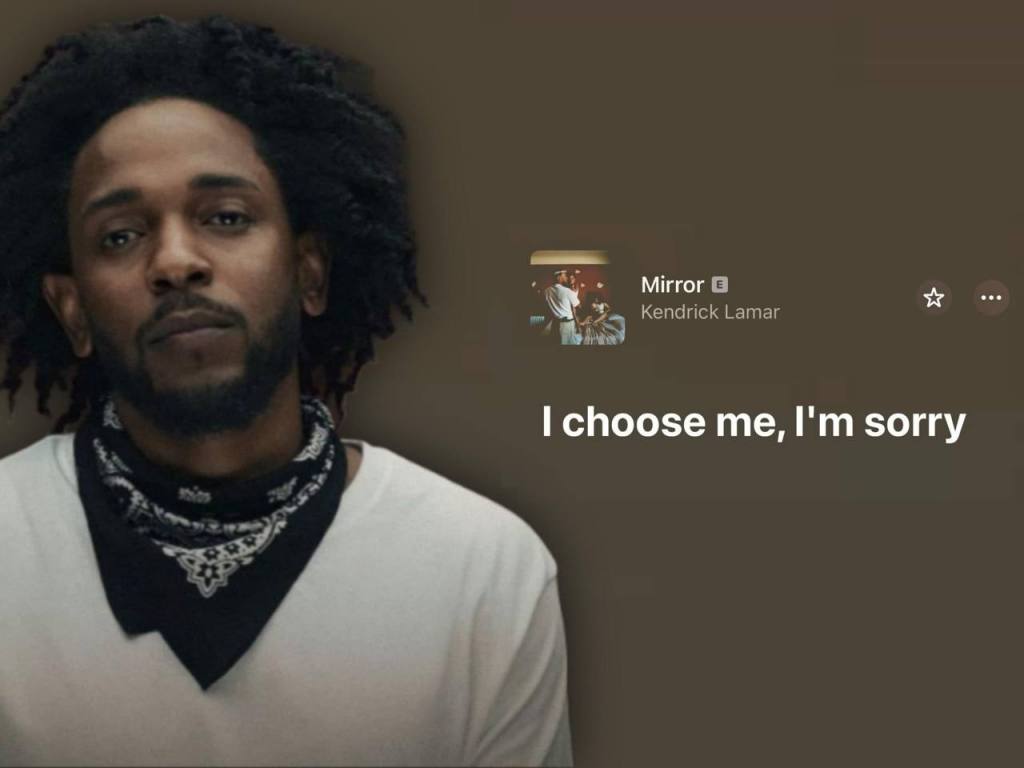
Would you rather Eminem stay on drugs instead of bettering himself for Hailie, just so you can keep enjoying Slim Shady at the peak of his powers? Would you rather Kendrick Lamar never went to therapy to become Mr. Morale, just so he can forever be your savior from “To Pimp a Butterfly“? On the opposite end, Tyler, the Creator has arguably been making the best music of his life since he came out of the closet in “Flower Boy“; you could say the same for Gloc 9 and how his mainstream catalogue is arguably better than his works from his hardcore days (some will say he “sold out” and hate me for even including him in this conversation, but we’ll save that talk for another time LOL.) This isn’t meant to spark a debate on how growing up and maturing affects your craft, it’s obviously a case to case basis. This is simply to say that it’s an inevitability, and for better or worse, I choose to enjoy the story of how my favorite musicians’ artistic souls change shape.
In the case of Jon Protege, this is the version of him that he most wants to give to the world. To him, the metamorphosis was worth the wait, and I see the beauty in that. Maybe the album’s reach will take a hit because of the long delay and him going off-brand, maybe it won’t. But at this point, who cares? It’s his Favorite Life. And sometimes, that’s all you can do when the way you move through life doesn’t synchronize with the times. Just keep choosing yourself, and enjoy the ebb and flow.

 Rayneman's Terms